
12x vs 20x vs 30x PTZ Camera: How Much Zoom Do You Need?
The right PTZ zoom depends on throw distance and the tightest shot you need. Here is a simple rule of thumb, worked examples and the Veyra models that fit 12x, 20x and 30x rooms.
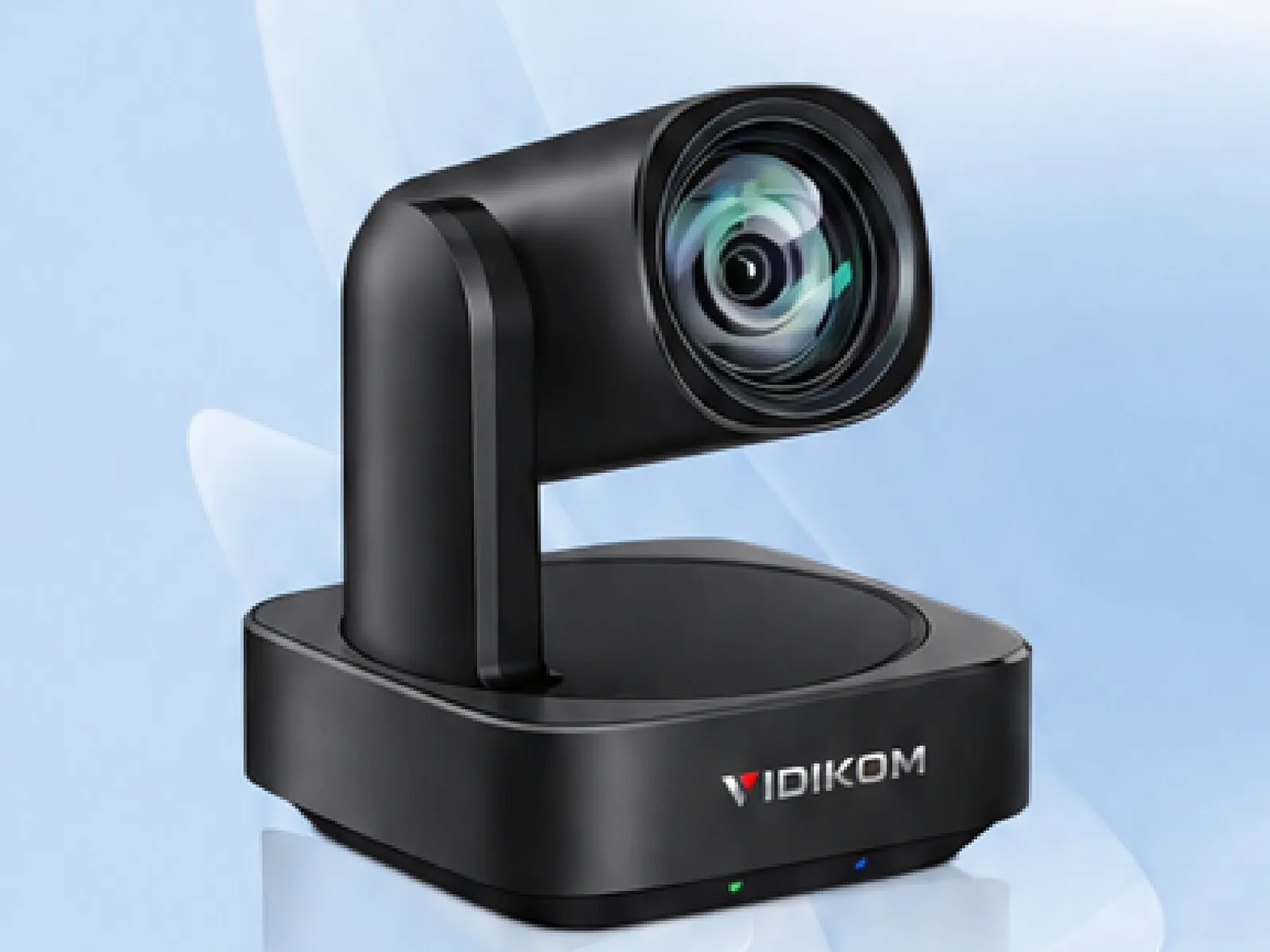
Choosing between a 12x vs 20x vs 30x PTZ camera comes down to one measurement: the distance from the camera to the person you want to frame tightly. As a rule of thumb, 12x suits throws up to about 8 m, 20x covers roughly 10 to 19 m, and 30x is for 20 m and beyond, such as the back of a large auditorium or arena.
That rule works for most buyers, but the zoom number on the box is not the whole story. Two cameras sold as "20x" or "30x" can frame very differently, and more zoom brings trade-offs in wide coverage, light and stability. This guide shows you how to calculate the zoom you actually need and which Veyra PTZ cameras fit each room.
Why the zoom number alone can mislead
Optical zoom is a ratio: the longest focal length divided by the shortest. It tells you how much tighter the telephoto end is than the wide end, not how tight the shot actually is. A camera with a very wide lens and 30x zoom can end up with a telephoto angle similar to a narrower camera with 20x.
The Veyra catalog shows this clearly. The 30x model in the Veyra Pro HD-N Series zooms to a 3.28° horizontal angle, starting from a generous 63.7° wide angle. The 20x Veyra 20N UHD-L zooms to 3.0°, slightly tighter, but its wide end is only 51.9°. So compare the telephoto horizontal angle for reach and the wide horizontal angle for coverage. Both are listed on every Veyra specs page.
How to calculate the PTZ camera zoom you need
For small angles there is a simple shortcut: frame width ≈ distance × telephoto angle in degrees ÷ 57. Use it like this:
- Measure the throw distance from the planned camera position to the main subject (pulpit, lectern, stage centre).
- Decide the tightest shot you need. A head-and-shoulders close-up is about 1 m wide; a waist-up mid shot is about 1.8 to 2 m wide.
- Work out the angle you need: shot width ÷ distance × 57.
- Choose a camera whose telephoto horizontal angle is equal to or smaller than that number.
- Check the wide end too: at your closest camera position, will the wide angle show the full stage or room?
Worked example: a church camera sits 18 m from the pulpit and the director wants a 1 m head-and-shoulders shot. Required angle: 1 ÷ 18 × 57 ≈ 3.2°.
- A 12x camera with a 7.6° telephoto angle gives a frame about 2.4 m wide: a mid shot at best.
- The Veyra 20N UHD-L at 3.0° gives about 0.95 m: exactly the close-up you want.
- The Veyra 30S Pro HD-N at 3.28° gives about 1.04 m: close enough, with a much wider wide end.
12x vs 20x vs 30x PTZ camera: which room suits which
12x: classrooms, meeting rooms and small churches (up to about 8 m)
A typical 12x telephoto angle of 7.6° gives a 1 m frame at about 7.5 m. The bigger advantage is the wide end: 67.5° on the Veyra 12N UHD-L shows about 4 m of width from just 3 m away, which matters when the camera is close to the front of the room. If your camera is mounted near the stage or on a side wall, 12x is often the better choice than a longer lens that cannot pull back wide enough.
20x: medium churches, lecture halls and conference venues (10 to 19 m)
This is the most common range for church live streaming and university auditoriums. With a 3.0° telephoto angle, a 20x camera such as the 20N UHD-L frames a 1 m close-up at about 19 m. The Veyra 20S Ultra-U reaches 3.5°, giving a 1 m frame at about 16 m, and adds 4K60, 3G-SDI, HDMI 2.0 and NDI|HX3 support for IP workflows.
30x: large auditoriums, arenas and outdoor events (20 m and beyond)
Long throws from a front-of-house platform or rear balcony need 30x. The Veyra 30S Ultra-X zooms to 2.5° (about 1.1 m wide at 25 m) while still opening to 59.2°. For the longest reach, the 30S HD-X in the Veyra X Series goes to 2.14°, a 1 m frame at about 27 m, in 1080p with 3G-SDI.
Trade-offs that come with more zoom
- Narrower wide angle on many models. Check that the camera can still show the whole stage when you need a wide or safety shot.
- Less light at the telephoto end. Lenses lose brightness as they zoom. The 30S Ultra-X goes from F1.61 wide to F5.19 at full zoom, more than three stops darker. The 20N UHD-L goes from F1.7 to F3.7, about two stops. The Pro HD-N Series stays between F1.8 and F2.8, which helps in dim venues. If your stage lighting is modest, a long zoom may need more light on the presenter to avoid noise.
- Vibration is magnified. At 20x and above, a mount on a balcony rail or a lightweight stand will show every footstep. Use a solid wall bracket, pillar or heavy tripod.
- AI tracking prefers looser shots. Auto-tracking works best on mid shots. At a very tight close-up, a small step can take the presenter out of frame before the camera reacts, so frame tracking presets slightly wider.
- Digital zoom is not optical zoom. A 4K camera feeding a 1080p stream can crop roughly 2x with little visible loss. Beyond that, digital zoom softens the image, so size your optical zoom for the shot you need.
Which Veyra camera to choose
- Veyra UHD-L Series (12N and 20N): 4K30, Sony 8.29 MP sensor, PoE, HDMI, USB 3.0 and optional NDI|HX2. A good value pick for classrooms, meeting rooms and medium churches running over IP. There is no SDI output, so plan network runs for longer distances.
- Veyra 20S Ultra-U: 4K60 with a larger 1/1.8" sensor rated to 0.5 Lux, 20x optical zoom, 3G-SDI, HDMI 2.0, PoE and NDI|HX3 support. Suits churches and studios that want 4K60 and both SDI and IP. See the full specs.
- Veyra Pro HD-N Series (12x, 20x, 30x): 1080p60 with NDI|HX2, 3G-SDI, PoE and IP streaming up to 102,400 kbps. The brighter F1.8 to F2.8 aperture range and wide angles make it a strong all-rounder when one camera must do both wide and tight shots.
- Veyra 30S Ultra-X: 4K60, 30x optical zoom, three AI tracking modes, NDI|HX3, Dante AV-H, Free-D for virtual sets and 1080p60 over 3G-SDI up to 150 m. Built for large venues, broadcast and virtual production.
- Veyra X Series: 12x to 30x in 1080p or 4K with SDI, PoE, SRT and optional NDI|HX2. Choose the 30S HD-X when throw distance is the deciding factor.
Many productions mix lenses: a 30x camera at the back for close-ups and a 12x camera near the stage for wide and side angles. Browse the full range at /products/cameras or compare 4K PTZ cameras and NDI PTZ cameras.
What to do next
Measure your throw distance, decide your tightest shot and use the ÷ 57 rule to shortlist models. Then get an instant quote, in Naira for Nigeria and US dollars elsewhere; VIDIKOM ships worldwide. If you would rather have a second opinion, ask VIDIKOM AI for a recommendation or a free setup plan with camera positions and a wiring diagram, or call or WhatsApp +234 806 331 1751.
Products in this article
Veyra UHD-L Series4K AI-Tracking PTZ Cameras | 12x / 20x Optical Zoom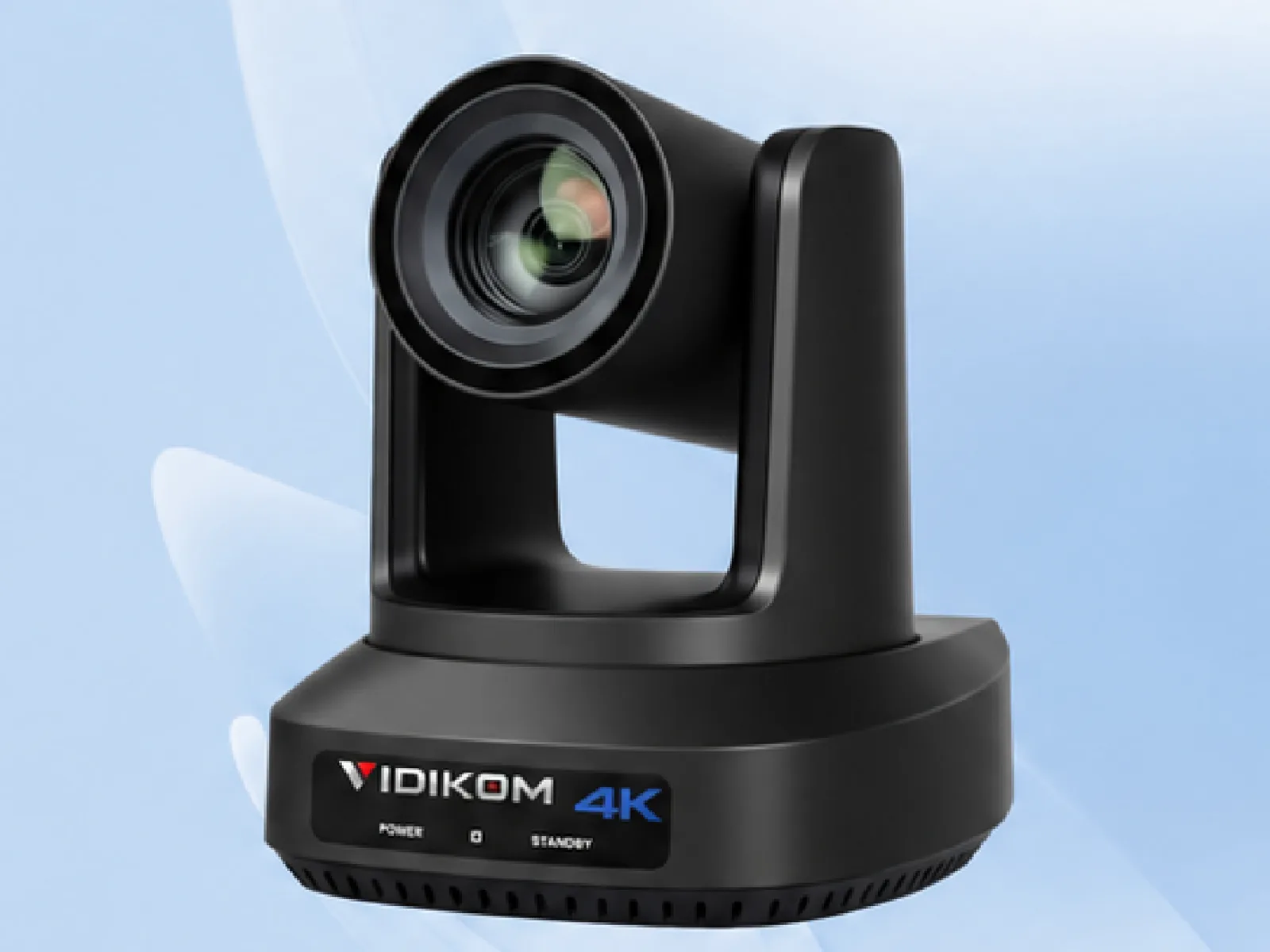 Veyra 20S Ultra-U4K at 60fps AI-Tracking PTZ Camera | NDI|HX3
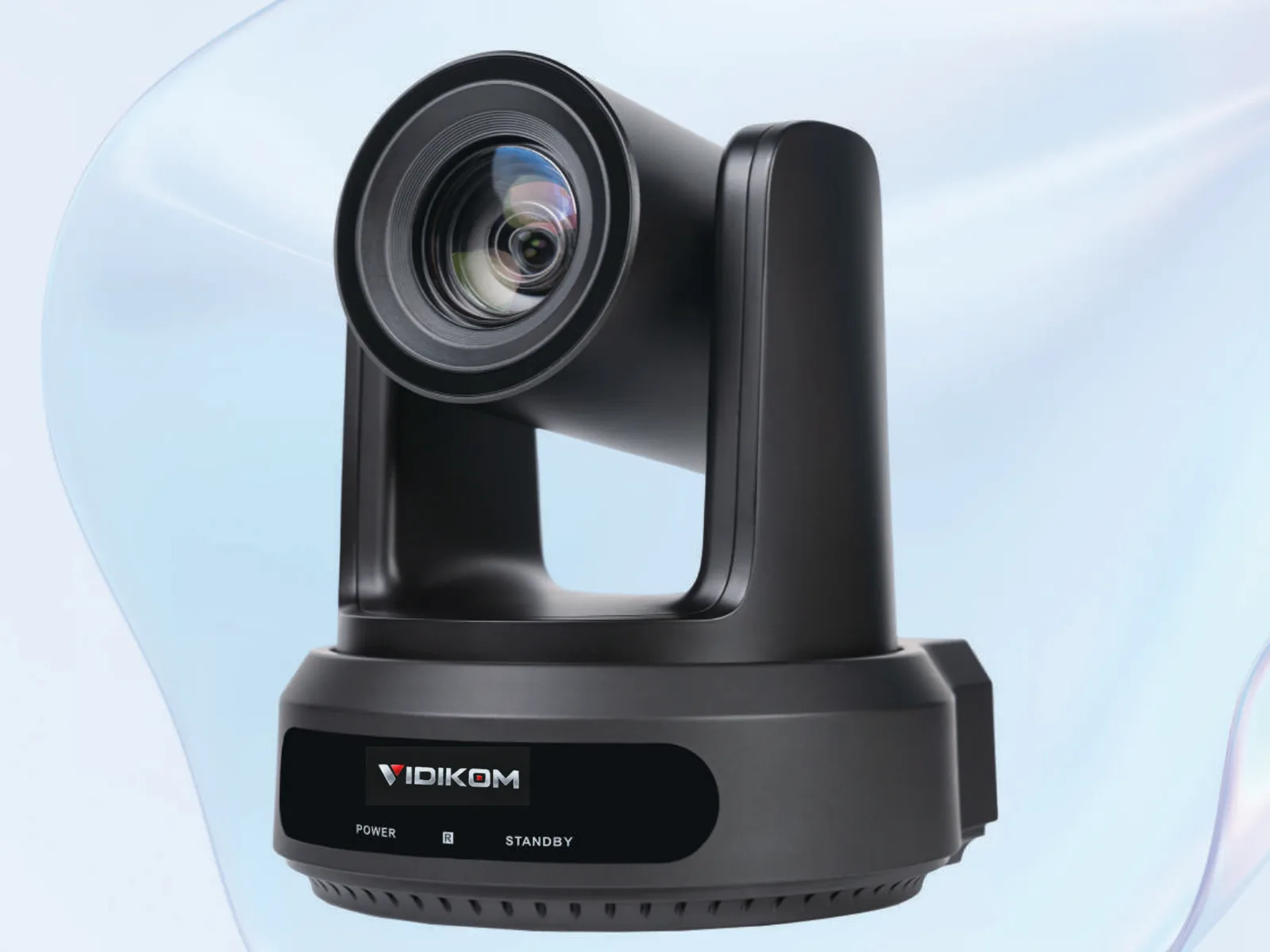 Veyra Pro HD-N SeriesFull HD AI-Tracking PTZ Cameras | 1080p at 60fps
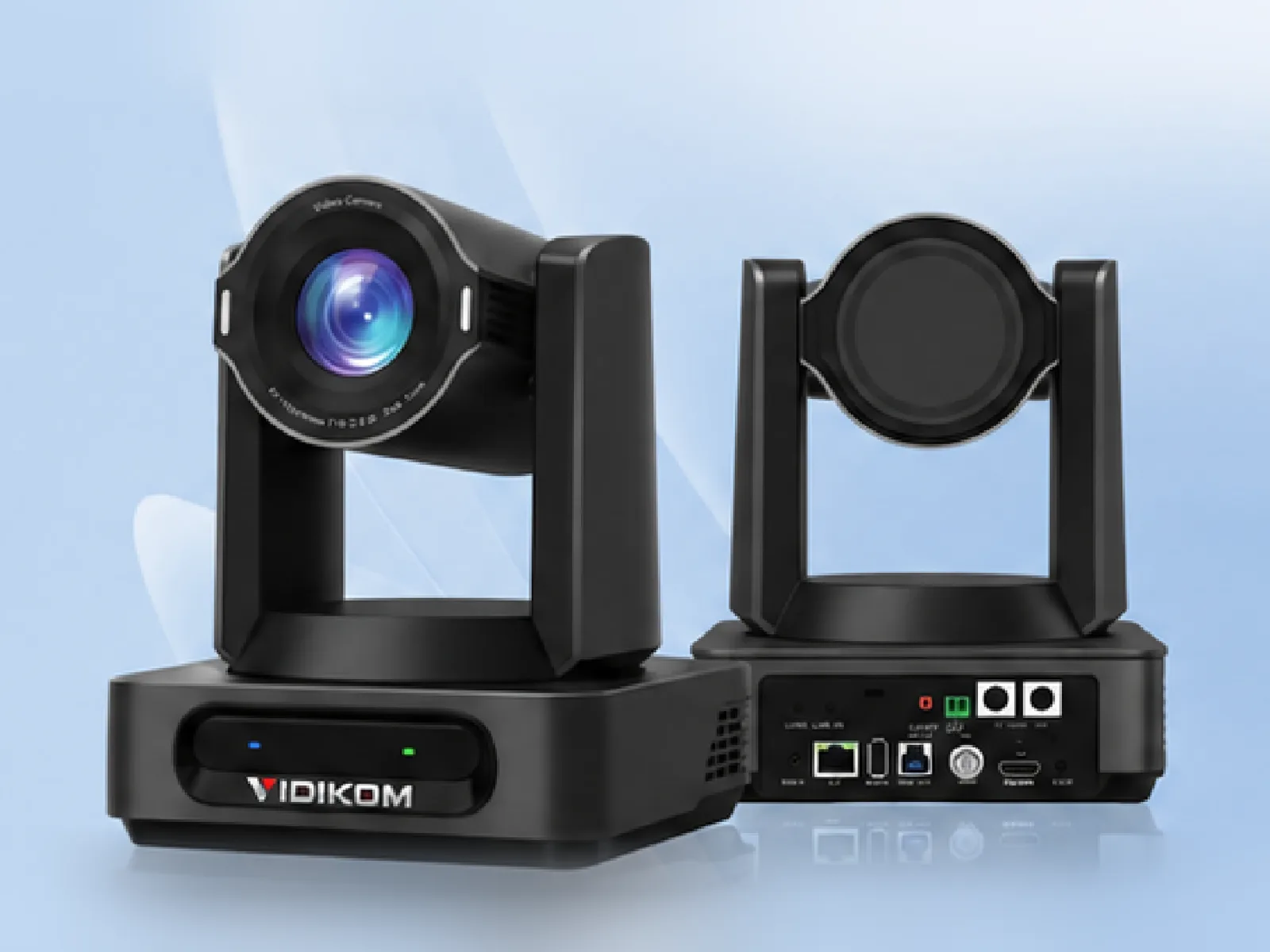 Veyra 30S Ultra-X4K at 60fps PTZ Camera | 30x Optical Zoom and AI Tracking
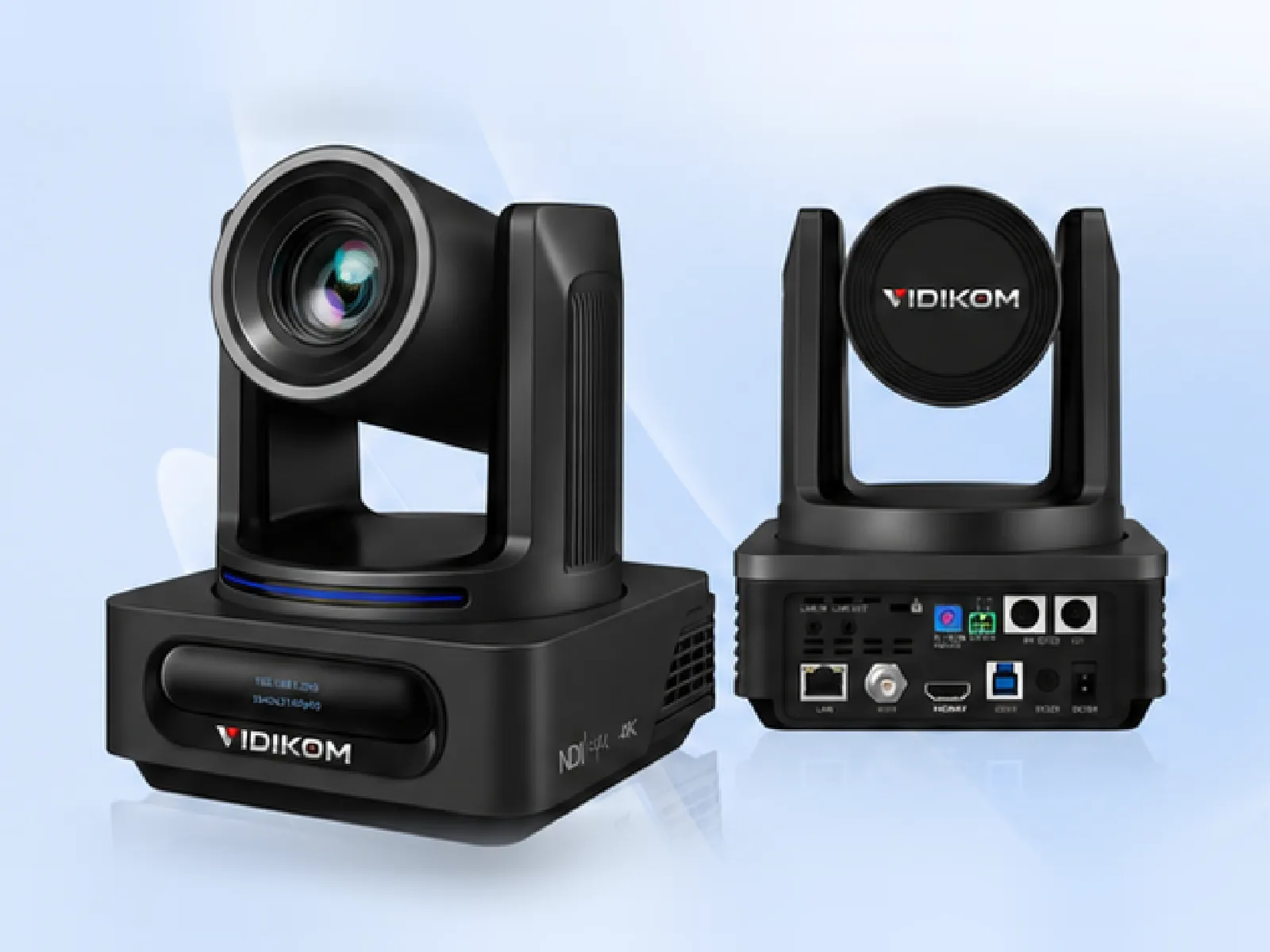 Veyra X Series4K / Full HD AI-Tracking PTZ Cameras | USB, HDMI, SDI and IP
Frequently asked questions
Is a 20x PTZ camera enough for a church?
For most medium-sized churches, yes. A 20x camera with a telephoto angle around 3° frames a head-and-shoulders shot out to about 18 to 19 m; beyond 20 m, consider 30x.
How do I calculate how much zoom a PTZ camera needs?
Divide the shot width you want by the throw distance and multiply by 57 to get the required horizontal angle in degrees. Pick a camera whose telephoto horizontal angle is equal to or smaller than that figure.
Is digital zoom as good as optical zoom on a PTZ camera?
No. A 4K camera outputting 1080p can crop about 2x with little visible loss, but beyond that digital zoom softens the image, so choose optical zoom for the tightest shot you need.
Can I use a 30x PTZ camera in a small room?
You can, but check the wide angle first. If the camera sits close to the subject, a 12x model with a wider lens will usually show more of the room and be easier to frame.
Does AI auto-tracking work at full zoom?
It works, but tracking is most reliable on mid shots. At very tight close-ups a small movement can leave the frame before the camera reacts, so set tracking framing slightly wider.